Why Most Brands Misuse Animation: The Hidden 2D vs. 3D Decision That Shapes Conversions

Most brands believe animation is about visuals.
In reality, animation is about decision-making.
Every animated video either reduces friction or increases it. It either builds clarity or confusion. And yet, many businesses unknowingly choose the wrong animation style, then wonder why engagement drops and conversions stall.
The mistake is not using animation.
The mistake is misunderstanding the real difference between 2D vs. 3D animation and how each one influences customer behavior.
This article explores how brands misuse animation, what high-performing companies do differently, and how choosing the right animation style can quietly but powerfully improve conversions.
Why Animation Became a Core Marketing Weapon
Modern users do not consume content the way they used to. They skim. They scroll. They decide emotionally before they decide logically.
Animation works because it compresses:
Information
Emotion
Movement
Meaning
Into a single experience.
When done correctly, animation helps brands communicate faster than text, feel more human than static visuals, and stay memorable longer.
That is why animation now drives landing pages, explainer videos, ads, onboarding flows, and product launches.
But results depend entirely on how animation is used.
The Real Meaning of 2D Animation vs. 3D Animation
To understand performance, you must understand purpose.
2D Animation Meaning in Marketing
2D animation operates in a flat, two-dimensional space. Motion is created using frame-by-frame animation or vector-based movement.
Its power lies in simplification.
2D animation prioritizes:
Message clarity
Visual metaphors
Emotional pacing
Easy comprehension
This makes 2D animation for explainer videos extremely effective, especially when brands need to explain ideas, services, or digital products quickly.
3D Animation Meaning in Marketing
3D animation introduces depth, lighting, and realism through CGI animation processes such as modeling, rigging, and rendering.
Its power lies in visual credibility.
3D animation helps audiences understand how something exists in the real world, which makes it ideal for product-focused storytelling.
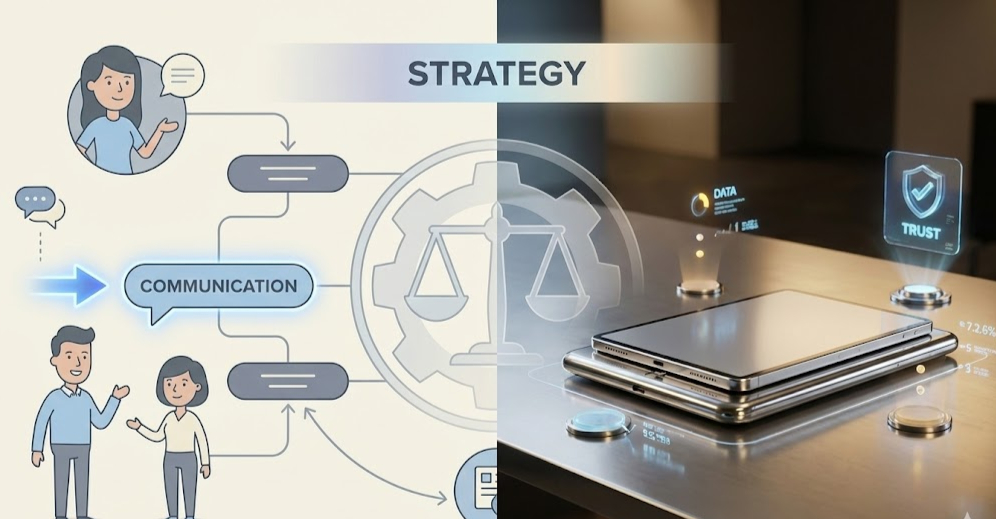
2D Animation vs. 3D Animation: The Conversion Lens
Brands that perform well do not choose animation styles emotionally. They choose them strategically.
The difference is simple.
2D animation works best when:
The product is intangible.
The message is complex.
The goal is education or awareness.
Emotional clarity matters more than realism.
3D animation works best when:
A physical product must be shown.
Trust depends on visual proof.
Perceived value influences price.
Brand positioning is premium
This animation style comparison reveals why there is no universal winner.
Why 2D Animation Often Converts Better Than Expected
Many businesses underestimate 2D animation because it looks simpler.
That simplicity is exactly why it works.
2D animation:
Reduces mental effort
Keeps attention focused
Avoids unnecessary visual noise
Feels approachable and friendly
For onboarding, explainer content, and early-stage customer education, 2D animation frequently outperforms more complex visuals.
This is why 2D vs 3D animation for business often favors 2D at the top of the funnel.
Why 3D Animation Builds Stronger Trust for High-Value Decisions
When buyers hesitate, realism matters.
3D animation:
Shows products from multiple angles
Demonstrates size, function, and detail
Reduces uncertainty
Increases perceived professionalism
This is why 3D animation for product demos dominates industries where physical understanding influences buying decisions.
In these cases, realism shortens the decision cycle.
2D vs 3D Explainer Video: Choosing Based on Intent
For explanation alone, 2D usually wins.
A 2D vs. 3D explainer video comparison shows:
2D focuses attention on the idea
3D focuses attention on the object
If your explainer answers “what” and “why,” 2D is ideal.
If it answers “how it physically works,” 3D adds value.
2D vs 3D Animation Cost Comparison
Cost is not just a budget issue. It is a strategy signal.
Yes, 2D animation is cheaper than 3D in most cases.
Reasons include:
Fewer production stages
Faster revisions
Shorter timelines
3D animation requires advanced technical workflows and longer rendering cycles. However, higher cost can still mean higher ROI when realism directly impacts conversions.
Why Animation Quality Has Nothing to Do With Realism
One of the biggest myths in marketing animation is that realism equals quality.
It does not.
Quality depends on:
Strong storyboarding
Clear visual hierarchy
Emotional rhythm
Alignment with business goals
Poorly planned 3D animation can hurt credibility.
Well-crafted 2D animation can outperform expensive visuals.
This is why serious brands focus on business animation strategy, not trends.
Speed and Market Adaptability Matter More Than Ever
Modern marketing moves fast.
2D animation allows:
Faster production
Easier updates
Rapid testing
3D animation requires:
Longer planning
Higher commitment
Less flexibility
Brands operating in fast-changing markets often choose 2D simply to stay responsive.
The Most Effective Brands Use Both
High-performing brands rarely limit themselves to one style.
They use:
2D animation for education and awareness
3D animation for trust and conversion
This layered approach aligns animation with the customer journey rather than forcing a single solution.
Why Brands Choose VOZO Animation
VOZO Animation is a USA-based creative studio specializing in 2D & 3D animation, motion graphics, character design, and animated explainer videos.
VOZO focuses on strategy-first execution, ensuring animation supports clarity, engagement, and measurable business outcomes.
Explore their services here:
https://vozoanimation.com/
Why Hybrid Animation Is the Future
Hybrid animation blends:
2D storytelling
3D depth
Motion graphics
This approach balances cost, creativity, and realism, making it ideal for modern, multi-platform marketing.
Conclusion
The real difference between 2D vs 3D animation is not aesthetics. It is intent.
2D animation excels at clarity and emotional connection.
3D animation excels at realism and trust.
Brands that understand this distinction stop guessing and start converting.
When animation supports strategy, attention turns into action.
FAQs
1. What is the main difference between 2D and 3D animation?
2D animation is flat and communication-focused, while 3D animation adds depth, realism, and physical accuracy.
2. Which animation style converts better?
2D works best for explainers and awareness, while 3D performs better for product-focused trust building.
3. Is 2D animation cheaper than 3D?
Yes, 2D animation generally has lower production costs and faster timelines.
4. What animation style is best for explainer videos?
2D animation is usually more effective due to clarity and simplicity.
5. Can brands combine 2D and 3D animation?
Yes, many brands use both styles across different stages of the customer journey.
About the author
VOZO Animation is a creative studio driven by one clear belief: visuals should do more than look good, they should connect emotionally, simplify complex ideas, and help brands grow with purpose. We specialize in high-quality 2D & 3D animation, motion graphics, explainer videos, and visual storytelling, crafted to help businesses communicate clearly in today’s fast-moving digital world. From startups building their first identity to established brands refining their message, VOZO Animation works as a true creative partner, turning ideas into visuals that engage, inspire, and deliver real impact. Learn more at https://vozoanimation.com/
Comments
Join the discussionNo comments yet. Be the first to comment.